


Dear Neighbor,
As chaotic and damaging federal actions increasingly threaten our institutions and our state budget, it is more important than ever for all of us to work together. The assault on our democracy has disrupted vital community services, created economic chaos, and put vulnerable members of our communities in credible fear for their constitutional rights. It is critical that we look out for one another through times when our communities and way of life are under attack.
Although the federal situation is chaotic, we have real accomplishments to celebrate on the state level. Last year, alongside my fellow Senate Democrats, I made progress on priorities that matter to the people of Michigan, like improving literacy and reducing pollution. This year, I am continuing to work on legislation that builds on progress made last session.
Thank you for allowing me to represent you and our district in the Senate. I am optimistic about the future of our great state. If you have any questions, ideas, or comments, please reach out to my office.
Sincerely,

Jeff Irwin
State Senator, District 15 | (517) 373-2406 | SenatorIrwin.com
Bills Passed in the Senate This Year
Protecting Foster Children’s Benefits
Senate Bill 18
Prohibits the state’s current practice of seizing the income from a child in foster care as reimbursement for their care. Under this legislation, the children’s funds would be managed for their own benefit, providing a path to stability, housing, and the education or training necessary to be successful when they exit foster care.
Monitoring Mobile Home Drinking Water Quality
Senate Bill 46
Requires the Michigan Dept. of Environment, Great Lakes, and Energy (EGLE) to investigate water quality inside mobile home parks that redistribute water to their customers. This legislation would protect public health and ensure an adequate supply of water that meets state drinking water standards.
Helping Survivors of Sexual Assault Seek Justice
Senate Bill 260
Removes the immunity large institutions have against civil suits when they fail to protect victims of sexual abuse. This bill is linked to legislation that would extend the time limit for survivors of sexual abuse to sue for damages.
Legislation I’ve Introduced in 2025
Protecting Vulnerable Adults
Senate Bill 114
Allows a county or region to create a vulnerable adult multi-disciplinary team to protect vulnerable adults from financial exploitation, abuse, or neglect, and to disseminate information to the public about protecting and supporting vulnerable adults. Confidentiality requirements for the team would also be put in place. This bill is part of a broader package that would allow older or disabled residents to seek a personal protection order against somebody exploiting them.
Strengthening Oversight of Oil & Gas Drilling & Reducing Methane Emissions
Senate Bill 140-141
Updates the outdated cap on oil and gas production from 1% to 2% so that it covers the costs of EGLE’s Michigan Oil and Gas Program. This program inspects wells, reviews permit applications, and monitors production to ensure that approximately 60,000 oil and gas wells comply with state regulations. Taxpayers have been subsidizing this program for the oil and gas industry since 2016 — about $4 million a year. This legislation prohibits oil and gas wells from releasing methane or volatile organic compounds into the air and allows EGLE to enforce rules so that well operators reduce their methane and VOC emissions by at least 95%, based on the 2023 federal rule.
Enhancing Consumer Protections
Senate Bill 245
Requires insurers to honor their contracts and obligations in good faith and provide a right for consumers to have their claims investigated properly and handled fairly. It would establish basic standards for the insurance industry when investigating and evaluating claims. This legislation also allows consumers to pursue legal recourse, imposing penalties on the insurance company when the consumer can demonstrate that the insurer denied coverage when they knew or should have known the claim was covered.
Lowering Costs & Strengthening Rights for Renters
Senate Bills 282 & 375
Establishes a tenant’s right to organize a tenant union without retaliation from a landlord. This bill accompanies legislation that would also codify a tenant’s right to make repairs when landlords don’t address health and safety issues. This legislation also limits a landlord’s ability to charge tenants for excess “junk” fees beyond rent, such as fees for landscaping or snow removal.
Lowering Auto Insurance Bills & Holding Auto Insurance Companies Accountable
Senate Bills 328-329
Provides direct relief to Michigan drivers who have been subjected to price gouging by requiring insurers to lower their rates by at least 10%. This legislation also bans the practice of charging customers a reinstatement fee or a punitive higher rate after a lapse in coverage.
Improving Police Practices
Senate Bill 334
Requires law enforcement officers to receive training vetted by behavioral health experts in de-escalation techniques, cultural competency, procedural justice, and crisis response.
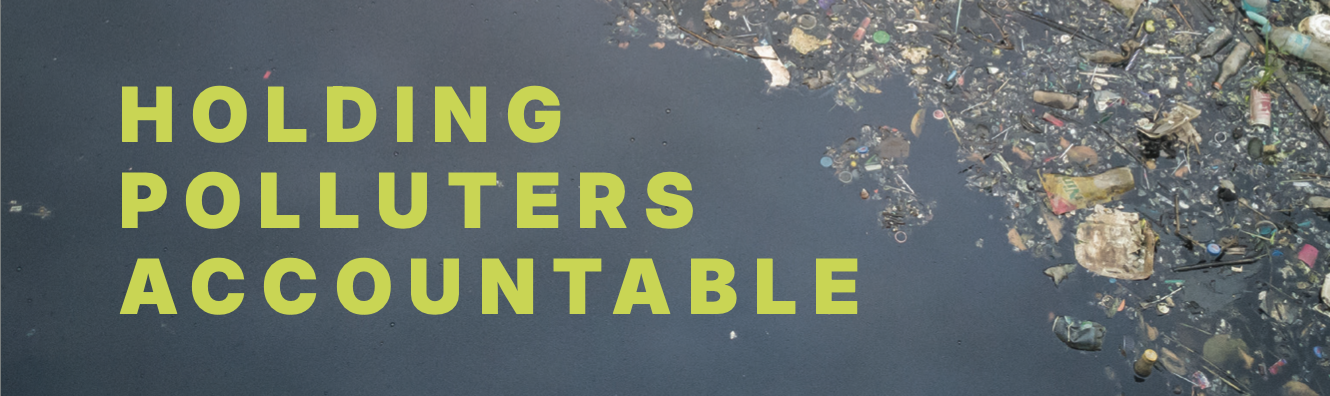
Over the last six years, I have led the Senate effort to hold corporate polluters accountable by introducing a bill package that requires more thorough cleanups, makes information about sites more accessible, and facilitates easier access to justice for those harmed by pollution.
The Senate Polluter Pay legislative package is comprised of:
- Senate Bill 391 — Requires polluters to share more information about polluted sites and requires more contaminated materials to be removed or treated rather than left in place
- Senate Bill 392 — Updates cleanup criteria to protect public health as researchers learn more about risks, and prioritizes removing contamination rather than permanently restricting the use of land or water.
- Senate Bill 385 — Makes related changes to rulemaking so experts can update inputs for cleanup criteria and target detection limits
- Senate Bill 386 — Enables people exposed to a hazardous substance to recover costs from the polluter to cover medical monitoring before a serious health condition has been diagnosed
- Senate Bill 387 — Extends the statute of limitations for hazardous substance claims so Michiganders who have only recently found out that they were harmed can sue polluters, aligning with the federal statute of limitations “discovery rule.”
- Senate Bill 393 — Extends the statute of limitations under NREPA so the state of Michigan can hold polluters accountable for cleanup costs and damages to our environment from contaminants not regulated before 1994, including PFAS
To learn more about this legislation and stay updated as it advances through the Legislature, scan the QR code or visit senatedems.com/irwin/polluter-pay.

Literacy for All
Public Act 146 of 2024
I am extremely proud to have passed legislation to identify and provide evidence-based interventions for students who are struggling to read due to difficulty in decoding words. This legislation requires universal screening for characteristics of dyslexia that identifies foundational skills of literacy and mandates evidence-based reading interventions in public schools. It will also improve reading instruction for all students and will be particularly helpful for the 20% of students who show characteristics of dyslexia.
Giving Tribes a Voice with Foster Care Review Boards
Public Act 73 of 2024
Ensures that state Foster Care Review Boards will work effectively with tribal governments to serve Native American children.
Increasing Medical Equipment Access
Public Act 180 0f 2024
Ensures people on Medicaid who need specialized medical equipment, wheelchair seating, or other complex rehabilitation technology have access to them and to the qualified professionals needed to customize them.
Eliminating Income Discrimination in Housing
Public act 180 of 2024
Prohibits discrimination in housing based on the source of a prospective tenant’s income. This is part of a package of bills to ensure fair treatment for tenants who receive housing assistance, child support, veterans benefits, or other types of income.